



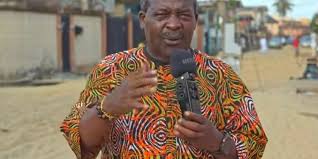
Copyright and Character Rights Explained
One of the biggest misconceptions about acting is the assumption that the performer owns the character they portray.
In reality, most fictional characters belong to the creator or production company that developed them. In the case of Papa Ajasco, the character is officially registered under Wale Adenuga Productions.
That means the intellectual property—including the name, costume, and overall identity of the character—is legally protected.
Actors are granted permission to portray the character within the context of the production. Outside of that arrangement, they typically cannot use it independently.
This is the exact situation Ayoyinka finds himself in today.
Why Ayoyinka Cannot Use the Character Freely
According to the actor, he regularly receives offers from companies seeking endorsement deals. The catch, however, is that these companies want him to appear exactly as Papa Ajasco, complete with the recognizable outfit and mannerisms.
Unfortunately, he cannot accept those offers on his own.
The reason is simple: he does not own the character rights.
Ayoyinka explained that using the name or costume without authorization would violate the legal ownership of the character.
Even something as simple as wearing the famous Papa Ajasco hat in a commercial could require official permission.
This situation illustrates how intellectual property laws can significantly affect actors long after a show becomes successful.
Advertising Opportunities and Missed Deals
Companies Want the Character, Not the Actor
One of the most frustrating aspects of Ayoyinka’s situation is the constant demand for the character itself rather than the actor as an individual.
Brands frequently approach him because they recognize the enormous popularity of Papa Ajasco. However, when negotiations begin, they often insist that he must appear in full costume and behave exactly like the character.
For marketing teams, this makes sense. The character carries instant recognition and nostalgia. Audiences immediately associate it with laughter and entertainment.
From the actor’s perspective, however, the situation is complicated.
Without permission from the rights holder, he simply cannot accept these offers.
This means potentially lucrative endorsement opportunities sometimes slip away.
The Challenges of Licensing the Character
In theory, licensing agreements could solve this problem. A company interested in using the character could negotiate with the rights owner and then hire Ayoyinka to perform the role.
But such arrangements require coordination between multiple parties. Contracts must be drafted, fees negotiated, and permissions granted.
In many cases, companies prefer faster, simpler deals.
When the process becomes complicated, they sometimes abandon the idea altogether.
The result? Lost opportunities for the actor.
Life After Government Service
Working with Lagos State Ministry of Tourism, Arts and Culture
Ayoyinka worked in public service in addition to his acting profession. He contributed to creative promotion and cultural development while working for the Lagos State Ministry of Tourism, Arts, and Culture.
In addition to supporting government programs pertaining to entertainment and the arts, this position allowed him to stay active in the creative sector. In contrast to the erratic nature of acting, public service provided a steady professional path. But finally, retirement came, as it does for many federal personnel.
Retirement and Financial Struggles
Ayoyinka revealed that he retired from his government role about five years ago, and life since then has not been easy.
The challenges he faces highlight an uncomfortable reality for many entertainers.
Fame does not always translate into long-term financial security.
Despite decades in the entertainment industry and the massive popularity of Papa Ajasco, Ayoyinka disclosed that he does not currently own a house or a car. The actor has openly spoken about the daily struggles he faces as he tries to reconnect with opportunities and sustain his livelihood.
His story serves as a reminder that the entertainment industry can be unpredictable and that even well-known performers sometimes face financial difficulties later in life.
The Difficulty of Escaping a Legendary Role
Typecasting in the Entertainment Industry
In movies and television, typecasting is a frequent occurrence. Producers and viewers frequently find it difficult to envision an actor in other roles when they become incredibly well-known for a certain role. Ayoyinka experienced precisely this.
Many people anticipate seeing Papa Ajasco exclusively as that figure because of his immense popularity. They want the outfit, the hat, the bald head, and the dramatic reactions.
However, acting requires adaptability. Performers desire to experiment with many personas, narratives, and roles. Opportunities may become scarce if viewers are unwilling to distinguish the performer from the role.
Public Perception vs. Real Life
For fans, Papa Ajasco is a source of nostalgia and joy. The character reminds them of childhood evenings spent laughing with family members.
However, the actor behind the character lives a completely different reality.
In everyday life, he is simply Abiodun Ayoyinka, a man navigating the challenges of aging, retirement, and career transitions.
The contrast between public perception and personal reality can be striking.
It demonstrates how powerful fictional characters can become—and how difficult it can be for actors to step out of their shadows.